
Blog

Martin Taylor’s guitar – The Chet – Part 9/10 – FireHorses and ‘Conyach’
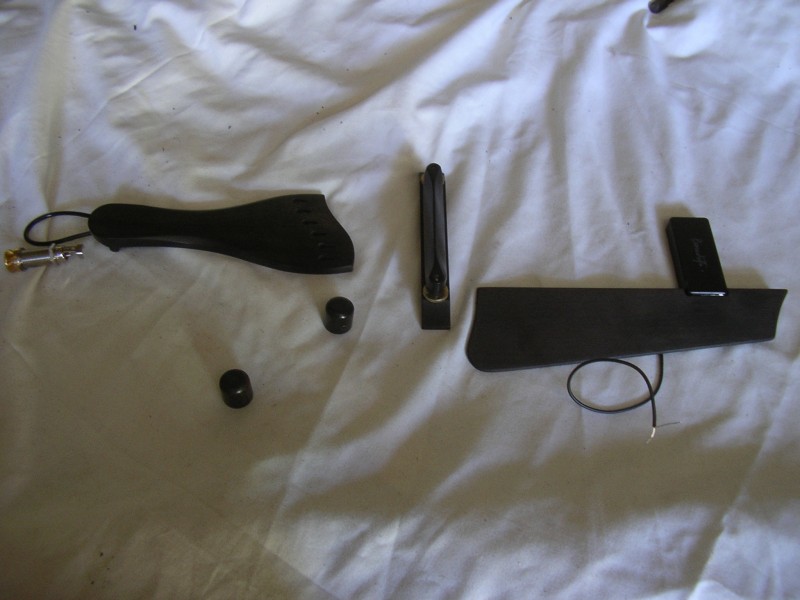
….Putting it back together again….

Jul 10, 2009 @ 13:58
Conyach: Martin introduced me to this word years ago at the Kirkmichael Guitar festival during a session in the pub. It means when who you are and what you are doing become one…..or to put it another way – you get totally lost in what you are doing. It is a old Scottish travellers word from the story telling tradition. If the teller has no ‘conyach’ then no one will listen.
To me it is like what I am making already exists. I am just kind of freeing it out of the wood…It’s the same when I am playing well – the music already exists – I’m just channelling it from somewhere. I’m sure every guitar player must have felt that at some point?…I wish I could get that every time I play…..It’s like when you throw a dart and you know before it has left your hand that it’s a ‘bullseye’.
I’d like to think that I get it when I’m engrossed in the workshop. I felt it when I was inlaying the Horse. While I was working I couldn’t help imagining what it would be like to be on a horse riding like the wind and winning a race – I’m sure you would get the same feeling of total immersion and concentration. That’s why I decided that it was the name of the Fire Horse – ‘Conyach’ – It seemed natural to inlay the word on the headstock – I really hope Martin likes it…….
The whole inlay was in mother of pearl – I used a Celtic font for the lettering. Unfortunately as I was so engrossed in doing it that I neglected taking the pictures……I’ll find out if I can get any and put them here….for now I will stick in some pics after the inlay…….

Martin Taylor’s guitar – The Chet – part 8/10 – Visitors Rights…
Martin Taylor pops in to check progress on ‘The Chet….’


Jul 20, 2009 @ 17:51
It was great to see Martin again – when he visits he usually picks up a guitar at some point and suddenly the workshop is filled with beautiful sounds. Its surreal – I really don’t know how he makes them sound like that but I will be signing up to his Guitar Academy to find out. This time however we spent all the time talking about the Chet.
He seemed to like the work I had done so far….especially the Celtic knotwork. In fact he decided he wanted the f-holes done as well!……In the first picture I’m probably thinking ‘OMG… how am I going to make a Celtic knot in the shape of an f-hole!’
After he had left I started on a design immediately and it just fell into place. I just made a very simple cross over in the middle and it looked great. I don’t know what I was worrying about……coff….
They did look a bit chunky until glued in place – I made them oversized so I could glue them on the inside, underneath the f-hole itself, which becomes the border around the edge. They had to be fixed accurately in the centre for this to work. I used magnets and a couple of clamps to do this. I LOVE magnets….I will definately write a post about ‘magnets in the workshop’ soon….
The f-hole knotwork was glued in unfinished so the glue would take (last picture), and brushed in afterwards with sealer and a coat of matt paint.
Click here to see Martin’s entry in his blog about the visit.
Martin Taylor’s guitar – ‘The Chet’ Part 7/10 – Removing the fretboard inlays
…..Now you see them, now you don’t…..
Jul 9, 2009 @ 11:48
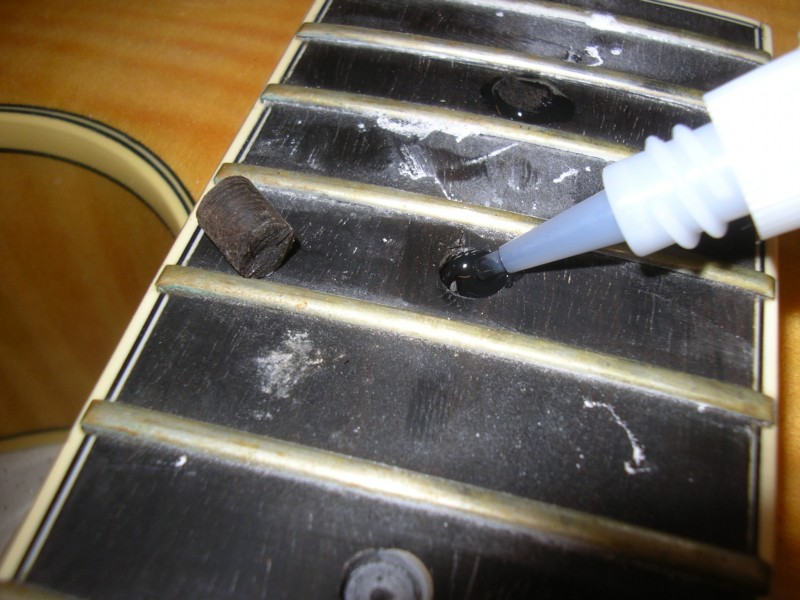
Removing the mother of pearl inlays on Martin Taylors guitar ‘The Chet’
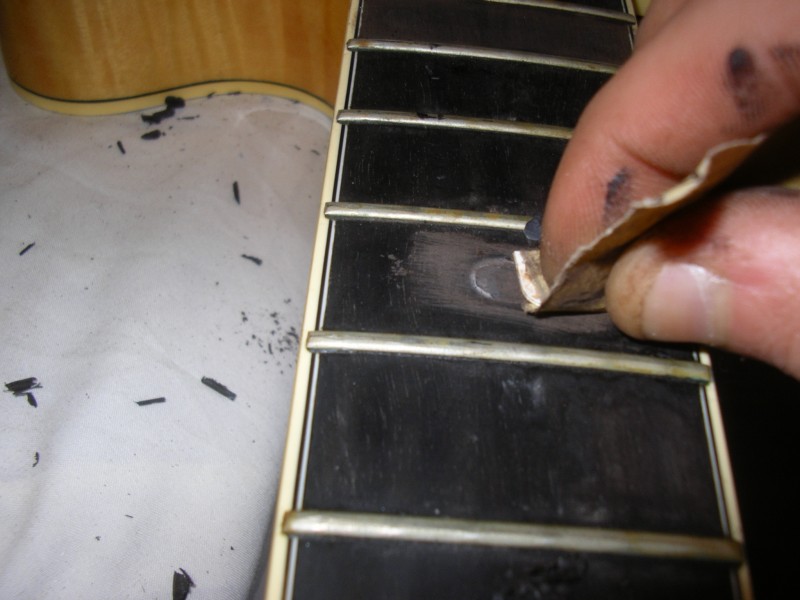
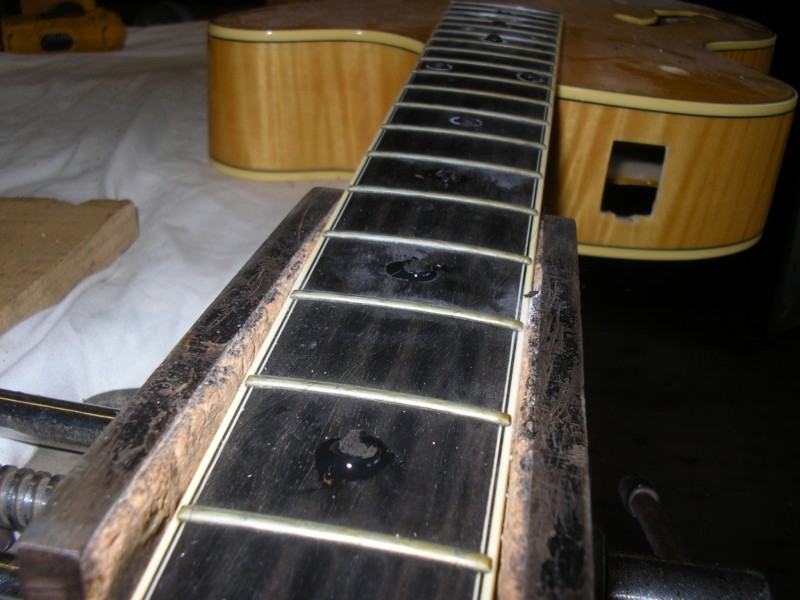
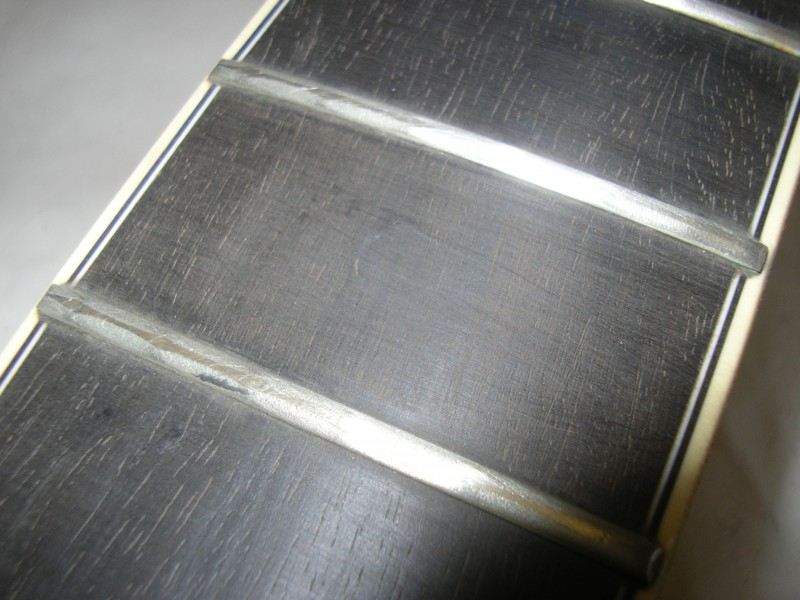
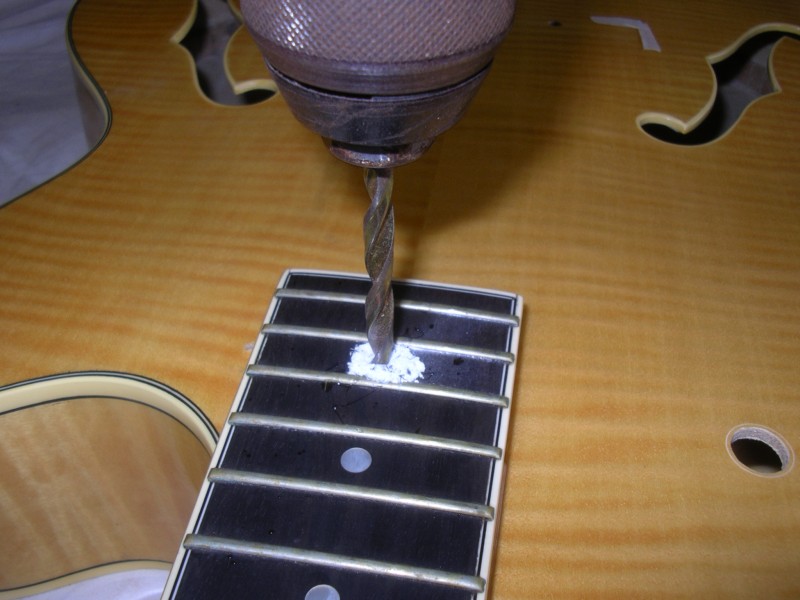
While I was waiting for a reply from Martin about whether or not he liked the inlay design I decided to crack on with the next bit, which was removing the old MOP dots and replacing them with ebony ones to make them ‘disappear’. Of course if you are Martin Taylor you can probably do alright without them! Most mortals need these fret position dots as markers to let us know where our fingers are but he just uses ‘The Force’……or ‘The Ears’ …as I like to call them…..The Ears are strong on this one….OB1.
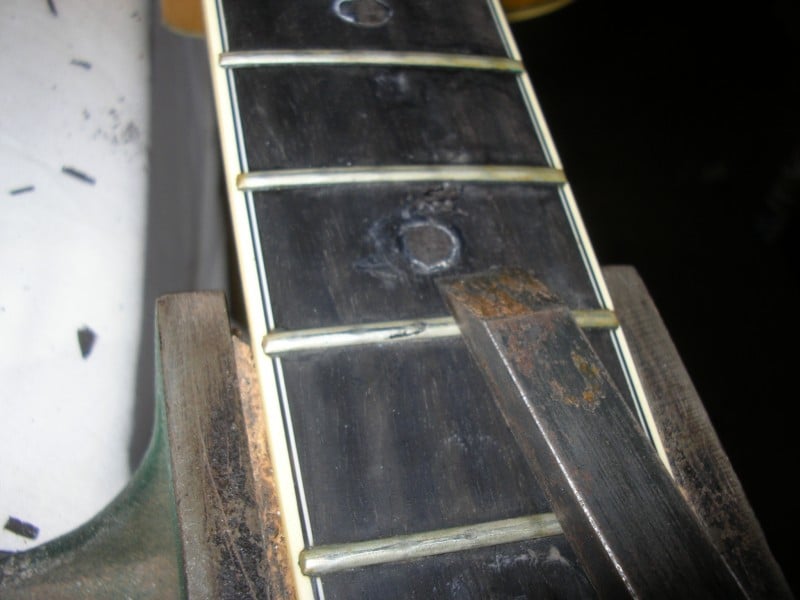
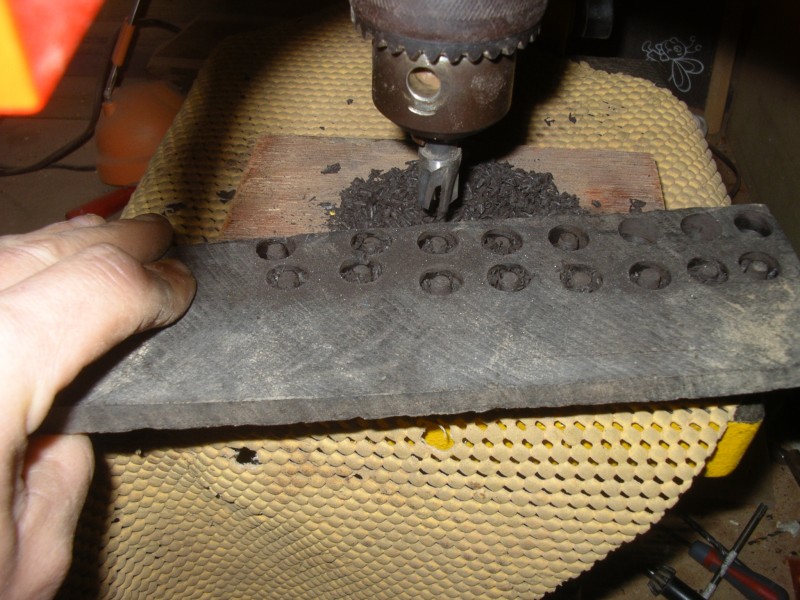
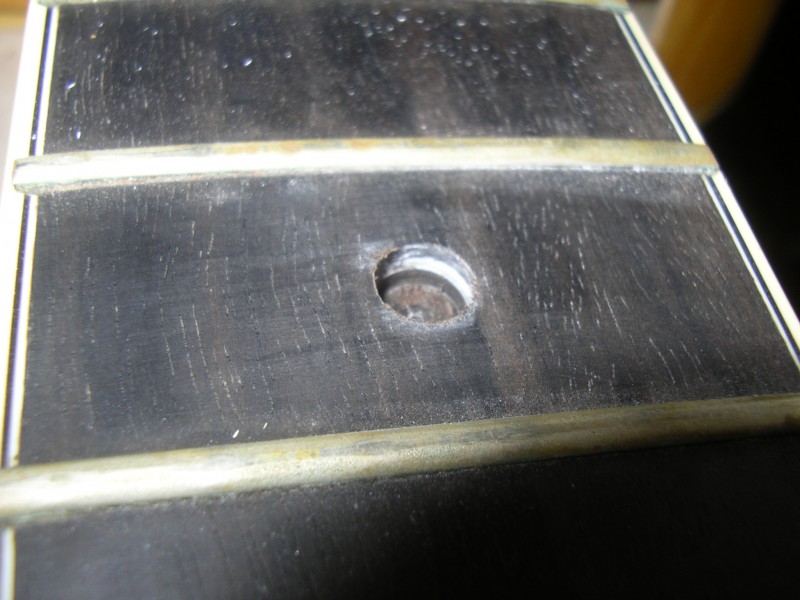
I thought it would be easier and quicker to just drill them out by hand, but I did have to seriously brace myself for this one. I did the first one very carefully as the beads of sweat formed on my forehead. This one worked well so I went for it – It is best to forget at this point you are working on a virtually priceless irreplaceable instrument and just get on with it.
The drill makes a slighty tapered hole and the plug cutter does the same to the ebony dowels so they fit perfectly. The end result was pretty good – if you didn’t know they were there you wouldn’t see them. They will look even better after a coat of Lemon Oil. Success!….Now what’s next? Bring it on!…….
Bailey Promo – Build your own Custom Guitar
….If you ever wondered what it’s like coming on our course, just watch this…..
Martin Taylor’s guitar – ‘The Chet’ Part 6/10 – Removing the old headstock inlay
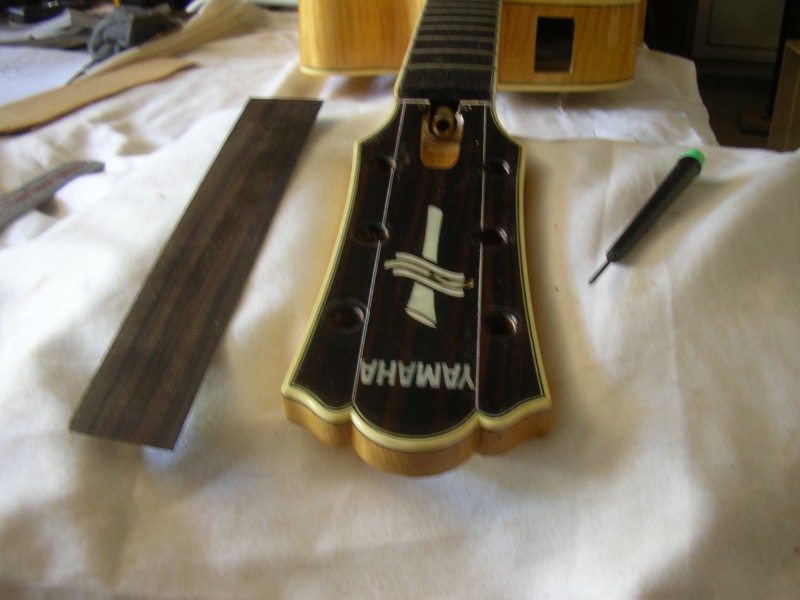
….nothing to see here…..at least that is the plan…..
Jun 8, 2009 @ 11:44
Replacing the inlay on Martin Taylor’s guitar signed by Chet Atkins.
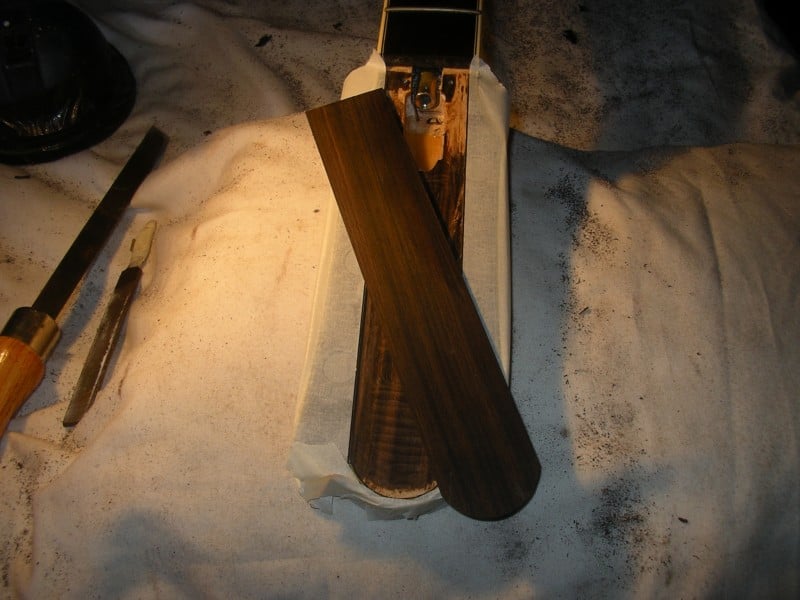
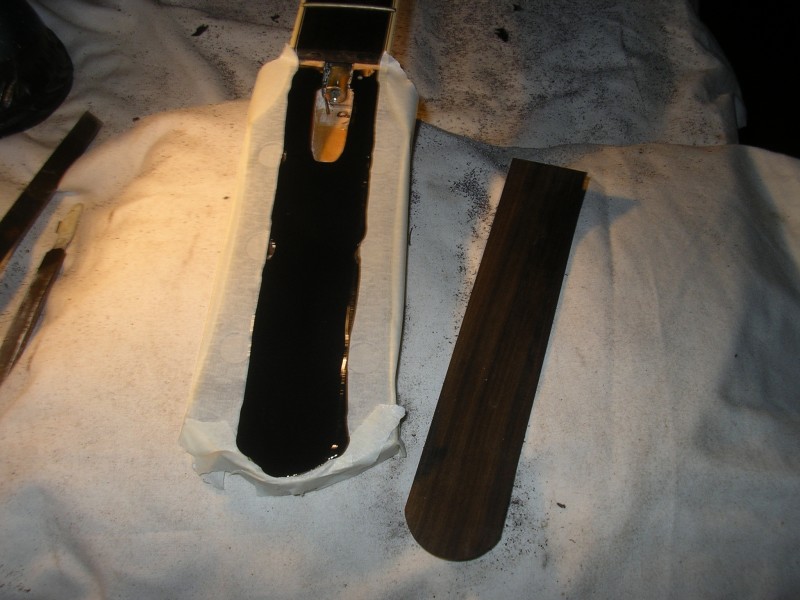
Sometimes I even impress myself….I had been worrying about how I was going to remove the old inlays without leaving a horrible mess behind or wrecking the binding. I really didn’t want to get into repairing the binding as that would have meant a lot more work and it would be difficult to duplicate the colour as I didn’t have an exact match in stock.
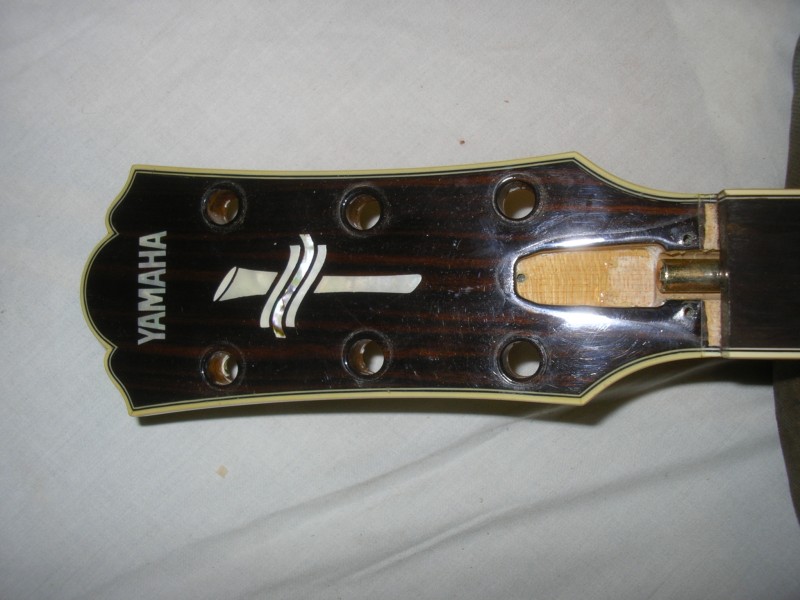
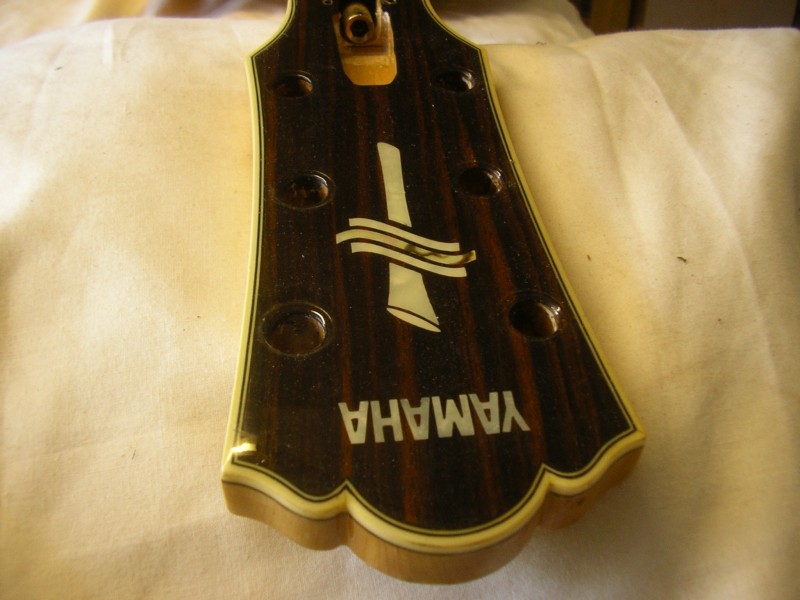
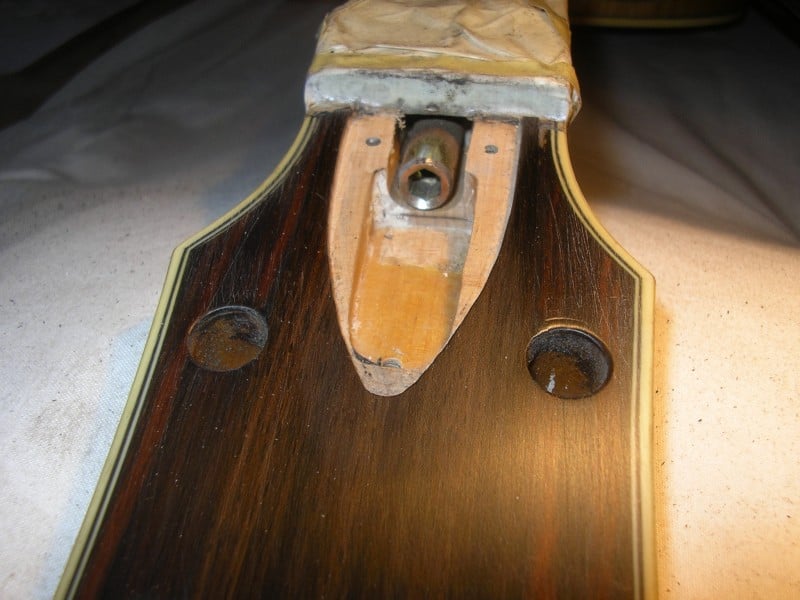
My solution was to inlay a strip of wood down the centre of the headstock just large enough to take out the inlays. That meant I only had to fit it into the curve at the end – the sides are straight making them easy to fit.
I managed to find an almost exact match for the wood from a bit of scrap I had kicking about in the workshop. After it had been glued in and cleaned up I sprayed a coat of sealer to see what it looked like – you be the judge – do I sound smug? – good.
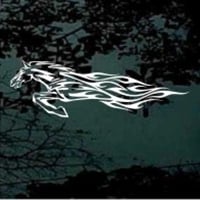
Now all I had to do was make and install the new inlay – Martin had told me he wanted some kind of ‘Horse inlay’ so I had a good trawl around for ideas….I didn’t want it to look naff or namby pamby so it took a long time to decide what to do. I also had the idea to recess the truss rod cover so the inlay could run into it. Then I had the problem of mounting the truss rod cover – normally you would use screws but I didn’t want to do that as it would have interfered with the inlay design, so I had a brain wave and came up with the idea of using magnets to hold it on.
In the end I went for the ‘FireHorse’ design – I could see that looking very cool made from Mother of Pearl, so I sent him a picture to see what he thought……
It’s not raining – by Marcel
(Marcel)
I wrote this song during my holiday in Scotland July and August 2010,
It’s dedicated to Carol and Mark. No matter what the weather is like, their kindness, and hospitality make you feel like it’s a warm and sunny day.
Thanks Marcel –
That fair warmed the cockles of our hearts. Looking forward to the sequel – ‘Its not cold’

Martin Taylor’s guitar -‘The Chet’ Part 5/10 – making the finger rest
…..for the resting of the fingers on……or ‘Ebony and Irony’


Jun 7, 2009 @ 11:39
Work continues on Martin Taylor’s guitar….The finger rest is made from two pieces of ebony – one for the mounting block and one for the finger rest itself. This guitar had an unusual recess on the neck, to house the mounting block, so extra care had to be taken to make sure it was a good fit. This makes the rest much more solid – I might try that myself in future.
Whilst working I noticed a small split in the neck where the old screws had separated the wood. Super glue comes in several different thicknesses – I used the runniest – it is great for this sort of thing as it penetrates deep into the crack for an instant fix.
After that it was fairly straight forward to fit the pickup. A small recess was cut into the rest before gluing it on with epoxy. The mounting block was also attached with the same glue.
To finish I sanded the whole thing to 1500g before polishing it on the buffer.
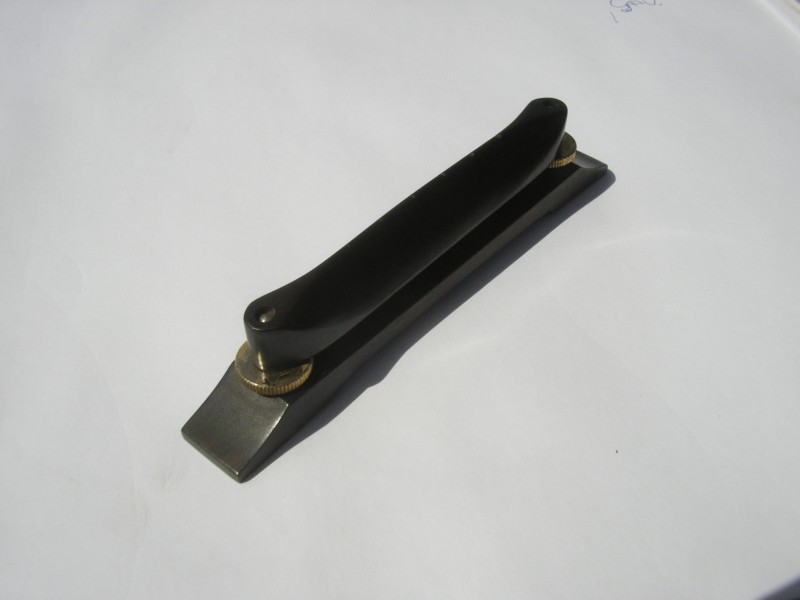
Martin Taylor’s guitar – ‘The Chet’ Part 4/10 – Making the new bridge
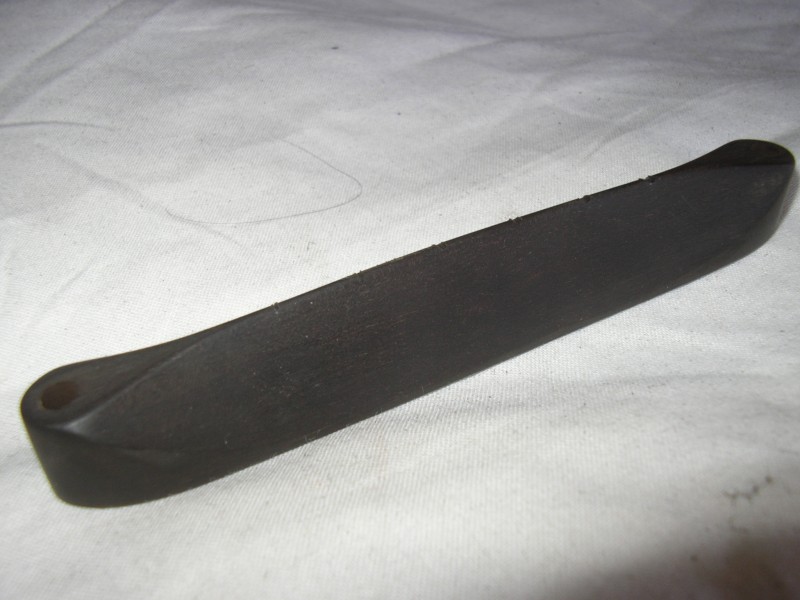
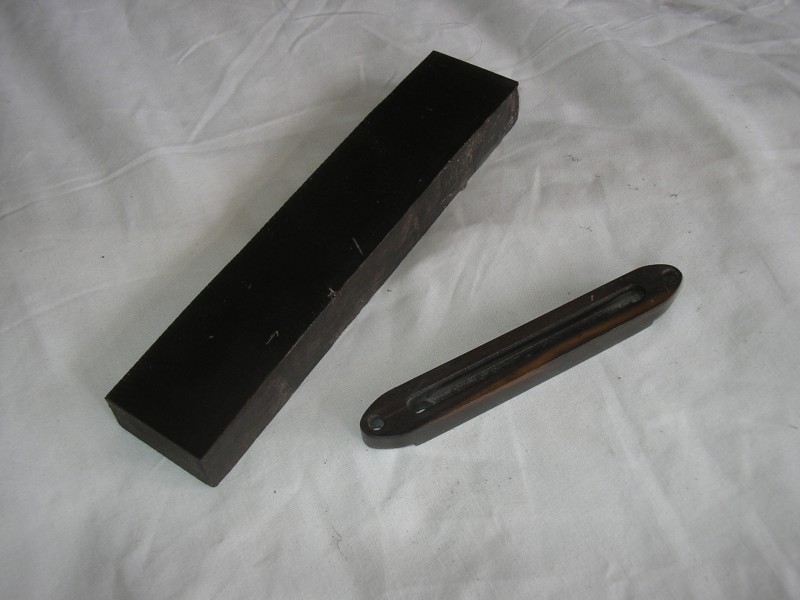
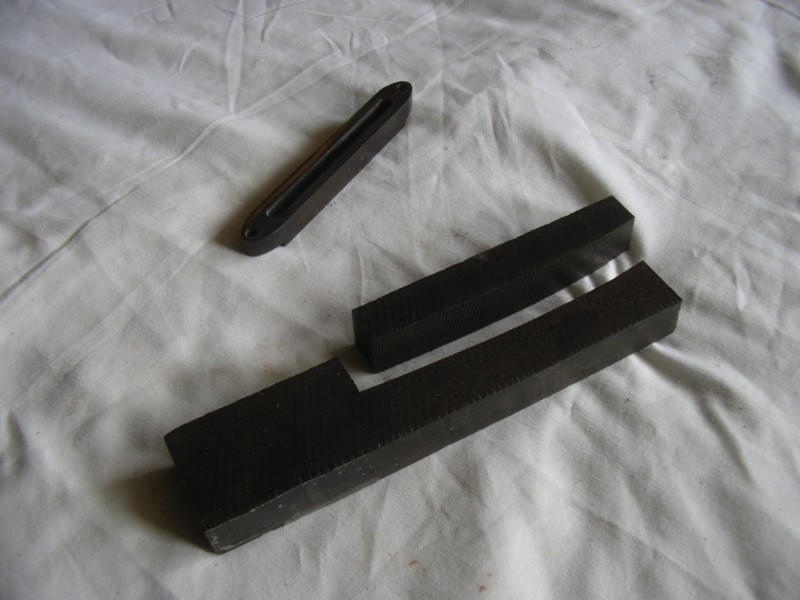
Making an ebony bridge for Martin Taylor’s guitar
Jul 6, 2009 @ 11:36
Back in my comfort zone after making the celtic knots in the last part – can’t wait to see what it looks and sounds like.
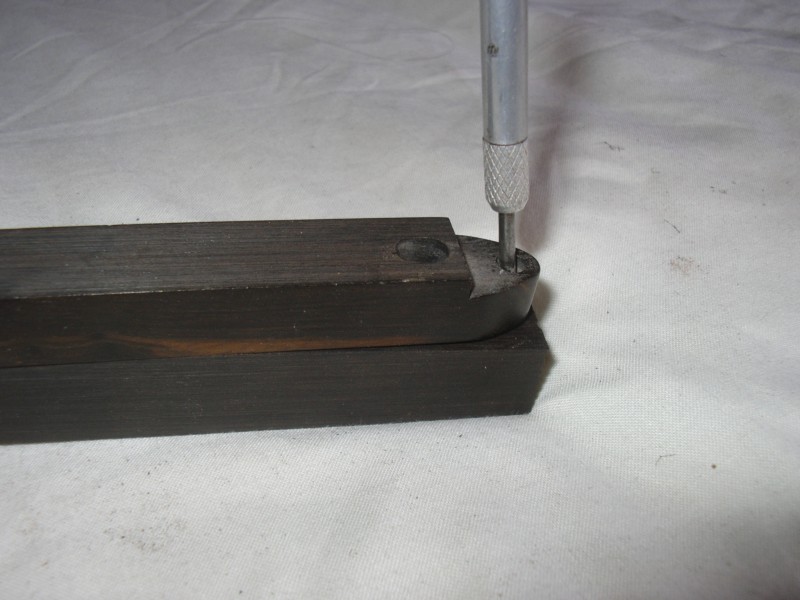
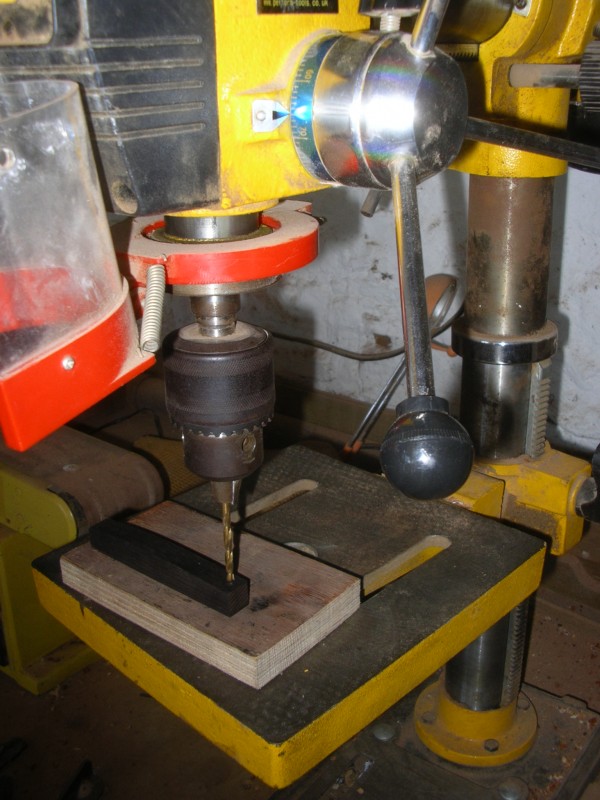
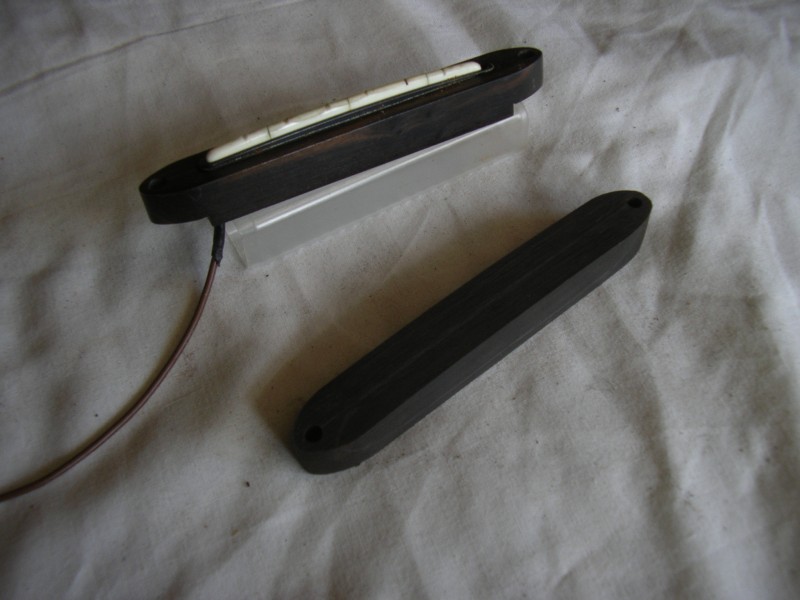
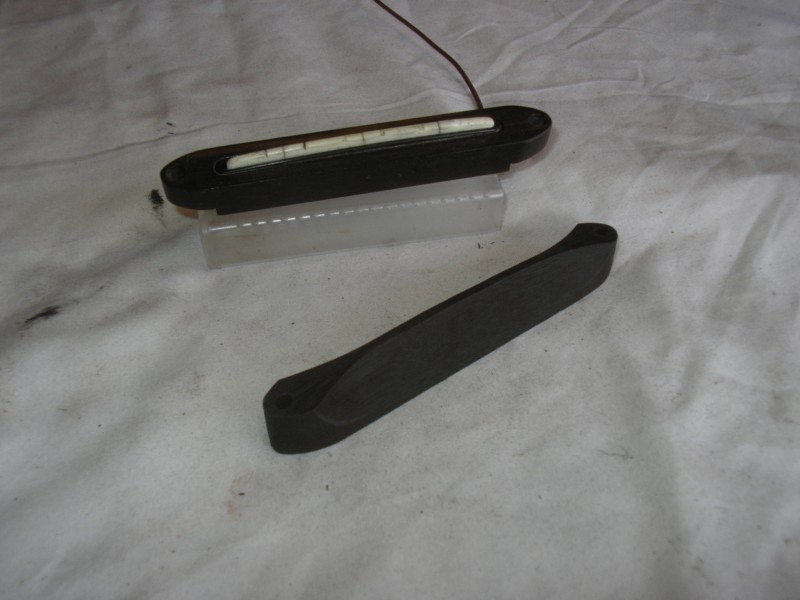
The old bridge had a pieze pickup under the saddle which Martin wanted to have removed and replaced with an all ebony one. I decided to keep the base of the old one as it was already made from ebony and there was nothing wrong with it. All I had to do was make a new saddle piece.
The blank was roughly cut to size and then I used the old bridge to mark the mounting holes. After that the bridge was shaped and sanded to 1500g before finally being polished….